Johnston Burkhardt

Attorney

CONTACT

935 Gravier Street, Suite 1800
New Orleans, LA 70112
Phone:
(504) 313-4199
Fax: (504) 534-8961
Email: johnston@snw.law

PRACTICE AREAS

  • General Litigation
  • Divorce & Marital Agreements
  • Family Law and Interdictions
  • Family Law Mediation
  • Estate Planning and Successions
  • Criminal Expungements
  • General Counsel Services and Corporate Litigation
  • Real Estate Transactions, Evictions, and Litigation

Johnston Burkhardt joined Sternberg, Naccari & White in 2021. His diverse practice focuses on general litigation, family law litigation and mediation, and successions and estate planning. Johnston is also a real estate title attorney and works closely with the firm’s associated title company, Quality Title. Johnston is a Child Custody and Visitation Mediator, and he is listed on the LSBA Alternative Dispute Resolution Section's Mediator Registry.


A lifelong New Orleanian, Johnston’s interest in the law began when he was selected in high school for the Louisiana State Bar Association student internship program. He graduated from Louisiana State University with a Bachelor of Science in General Business, and then obtained his Juris Doctor and Graduate Diploma in Comparative Law from the Louisiana State University Paul M. Hebert Law Center, where he served as Senior Articles Editor for the Journal of Energy Law and Resources, Volume VII. 

Johnston is associated with the Louisiana, Orleans, and Jefferson Bar Associations and the St. Thomas Moore Catholic Lawyers Association. He is a former “40 under 40” honoree for the Youth Empowerment Program.


While in law school at LSU, Johnston served as legal extern for the Hon. Erin Wilder-Doomes, a Magistrate Judge at the United States District Court for the Middle District of Louisiana. He also clerked during his 2L summer for the Honorable Fredericka H. Wicker at the Louisiana Fifth Circuit Court of Appeal. 


Notably, while a law student at LSU, Johnston was SNW’s very first law clerk. He returned to the firm as an attorney after practicing family law in downtown New Orleans. Johnston is an accomplished artist, enjoys playing tennis, traveling, and cooking. While studying for the bar and preparing to practice law, Johnston was the campaign manager for a prominent Judge running for an open seat on the Louisiana Supreme Court.

  • Bar Admissions

    • Louisiana (all state courts)
  • Education

    • Louisiana State University Paul M. Hebert Law Center, J.D./D.C.L.
    • Louisiana State University, B.S
  • Community and Professional Involvement

    • Louisiana State Bar Association
    • New Orleans Bar Association
    • Jefferson Bar Association
    • Youth Empowerment Program 40 Under 40 Cohort
    • St. Thomas Moore Catholic Lawyers Association

MORE ABOUT JOHNSTON


By Joseph R. Marriott March 24, 2026
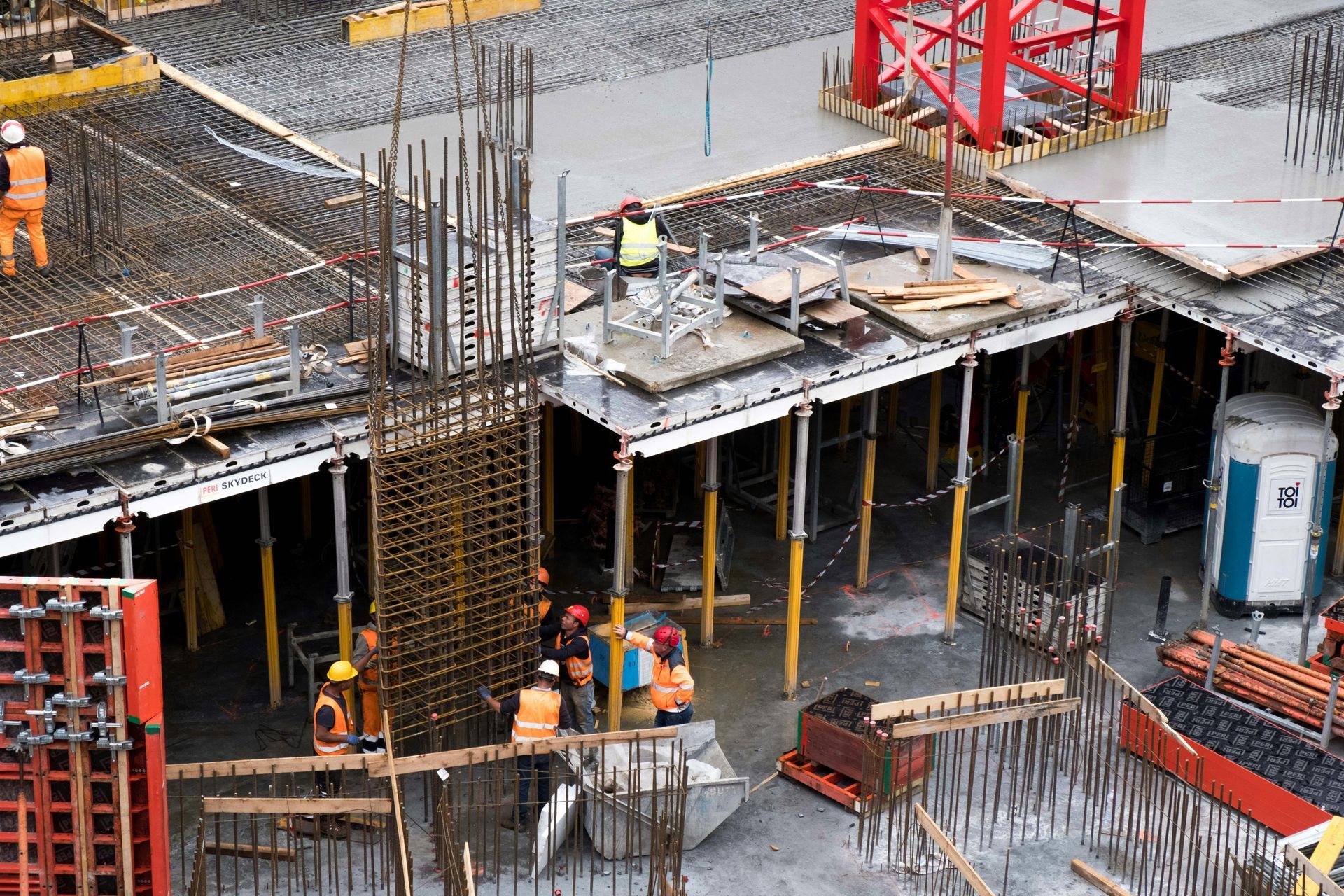
Construction Lien Property: What Every Buyer and Seller Needs to Know A construction lien on your property can stop a real estate closing in its tracks — here's what causes it and how to fix it. If you're buying or selling real estate and a contractor, subcontractor, or supplier was never paid for work done on the property, you could face a lien — and a closing that won't proceed until it's resolved. Understanding construction lien priority is essential for anyone in a real estate transaction. What Is Construction Lien Priority? Lien priority determines who gets paid first if a property is sold or foreclosed. In most states, construction-related liens — also called mechanic's liens or materialman's liens — can "relate back" to the date work first began, not the date the lien was filed. This means a lien recorded after your mortgage could still outrank it. 4 Common Ways Lien Priority Breaks Down at Closing Construction began before the mortgage was recorded — giving material man, contractors and subcontractors, priority over the lender. Unpaid subcontractors on a newly built home file liens the buyer never knew about. The seller failed to record a notice of completion, leaving the lien filing window open. Recording errors or gaps in the chain of title create disputed priority positions. How It Disrupts the Closing Cycle When a title examiner flags a construction lien — or evidence that work occurred without confirmed payment — the title insurer will typically refuse to issue a clean policy. Without title insurance, lenders won't fund. The result: delays, renegotiations, escrow holdbacks, or a failed transaction. How to Resolve a Construction Lien Before Closing – Additional Work and Costs  While the below are all valid ways to potentially "work around" a lien and/or broken priority, they are requiring additional and often uncontemplated work and can include unanticipated costs, including getting lien waiver, paying the lienholder, securing a surety bond, and/or negotiated an indemnity (when backed by sufficient assets). To learn more or to schedule a consultation, contact Joseph R. Marriott at jospeh@snw.law or by telephone at (504)324-1886.
By Johnston Burkhardt March 24, 2026
Testate vs. Intestate Successions in Louisiana: What’s the Difference? In Louisiana, a succession is classified as either testate or intestate depending on whether the decedent left a valid will. A testate succession occurs when the decedent executed a will that complies with Louisiana law, typically in the form of a notarial or olographic testament. In these cases, the decedent is able to direct how their property is distributed, name an executor, and potentially simplify the administration process. The court’s role is to probate the will, confirm the executor, and oversee the implementation of the decedent’s wishes. However, even in a testate succession, the will is subject to certain limitations, most notably Louisiana’s forced heirship rules, which protect certain heirs such as children under the age of 24 or those with permanent disabilities. An intestate succession occurs when there is no valid will, either because the decedent never executed one or because the will is invalid or revoked. In that situation, Louisiana’s intestacy statutes determine who inherits and in what proportions. These rules prioritize close family members, beginning with descendants, and can include a surviving spouse’s usufruct over community property. While intestacy provides a default framework, it often produces results that do not align with the decedent’s preferences, particularly in blended families or where the decedent had specific intentions about certain assets. Practically speaking, testate successions tend to offer more control and predictability, while intestate successions can involve more court oversight, uncertainty, and potential disputes among heirs. Even basic estate planning, such as executing a will and organizing your assets, can significantly reduce stress, cost, and uncertainty for your family after your death. To learn more or to schedule a free consultation regarding estate planning or successions, contact Johnston Burkhardt at johnston@snw.law or 504-313-4199.